
Mastering casino design The importance of ambiance in player experience
The Role of Ambiance in Casino Design
Ambiance plays a critical role in casino design, directly influencing player experience and engagement. The right ambiance can create an inviting atmosphere that encourages players to stay longer and gamble more. Elements such as lighting, sound, and even scents can evoke specific emotions and enhance the overall gaming experience. For example, dim lighting paired with vibrant colors can create a sense of excitement and anticipation, which is essential in attracting players to various gaming areas. For those seeking insights, you can check out Rainbet Casino UK Review, which highlights the significance of ambiance in enhancing player experiences.
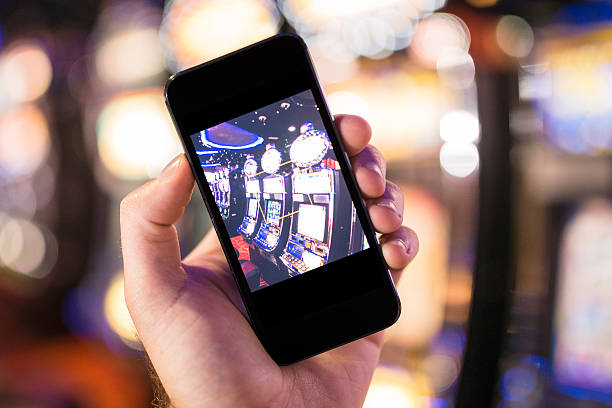
Moreover, the design elements of a casino should reflect its brand identity while ensuring that players feel comfortable and welcomed. By integrating thematic designs and creating unique zones within the casino, operators can guide players through different experiences. Each area can serve a purpose, whether it’s a high-stakes room that requires an air of sophistication or a fun, playful area for casual gamers. This tailored approach not only enhances the player experience but also fosters loyalty and repeat visits.
Additionally, integrating technology into the ambiance can further elevate the experience. Interactive displays and ambient soundscapes can engage players in a multi-sensory manner, captivating their attention and drawing them into the gaming environment. Understanding how these elements work together is vital for casino designers looking to create a memorable and immersive atmosphere that resonates with players.
The Impact of Lighting on Player Engagement
Lighting is one of the most significant factors affecting the ambiance in a casino. Proper lighting can create a sense of excitement and energy, crucial for maintaining player engagement. Bright, colorful lights can draw attention to slot machines and table games, while softer lighting can create a more intimate setting for high-stakes gambling. The strategic use of lighting can also guide players through the casino, helping them navigate and discover new gaming options.
Moreover, the color temperature of the lighting can affect players’ emotions and decisions. Warmer hues might encourage relaxation and socialization, while cooler tones can stimulate focus and intensity. Designers must carefully consider these aspects when planning the layout and design of the casino. For instance, areas designated for high-stakes gaming might employ darker, more dramatic lighting to create a sense of exclusivity, while general gaming areas might use brighter lights to foster a vibrant atmosphere.
In addition, lighting can be used to highlight specific features within the casino, such as bar areas or entertainment stages. By drawing attention to these points, casinos can enhance the overall experience, ensuring that players feel invited to explore various offerings. Therefore, lighting is not just a functional element; it’s a powerful tool that shapes the entire player experience.
Soundscapes and Their Effects on Gaming
The auditory experience in a casino is just as important as the visual aspects. Soundscapes can significantly influence a player’s mood and decision-making processes. The background music and ambient sounds can create an engaging atmosphere that keeps players entertained and focused. For instance, upbeat music can enhance the excitement of slot machines, encouraging players to keep playing, while quieter, more soothing sounds can provide a calming backdrop for table games.
Moreover, the incorporation of sound effects tied to specific games can enhance the overall excitement of the gaming experience. For example, the thrill of winning can be amplified by celebratory sounds, reinforcing positive emotions and encouraging further play. Casinos often curate their soundscapes to maintain an energetic yet comfortable atmosphere, ensuring that players feel both stimulated and relaxed.
Additionally, casinos may also use sound strategically to signal the start of promotions or events, drawing attention to specific areas. This multi-sensory approach can keep players engaged and aware of what’s happening in the casino, enhancing their overall experience. By understanding the psychological effects of sound, casino designers can craft a captivating auditory environment that complements the visual ambiance.
The Importance of Layout and Spatial Design
The layout and spatial design of a casino are paramount in creating an enjoyable gaming experience. A well-thought-out layout can guide players intuitively through various gaming options, ensuring they can easily navigate the space. Designers must consider the flow of movement, ensuring that high-traffic areas are easily accessible while also providing quieter zones for players seeking more focused gameplay.
Furthermore, creating distinct zones within a casino allows for a diverse gaming experience. High-stakes areas can be designed to feel exclusive and upscale, with plush seating and private tables, while family-friendly sections can be more colorful and interactive, appealing to a broader audience. This spatial segregation helps cater to various player preferences and ensures that everyone feels comfortable within the casino’s environment.
Accessibility also plays a crucial role in spatial design. Ensuring that all areas of the casino are easy to access for players of all mobility levels is essential for creating an inclusive atmosphere. Thoughtful design will not only enhance the player experience but also contribute to a positive reputation for the casino, promoting loyalty and repeat visits.

Exploring Online Casino Ambiance: A New Frontier
As the gaming industry shifts towards online platforms, understanding ambiance in a digital context becomes crucial. Online casinos must create an immersive experience that rivals the physical casino environment. This involves utilizing advanced graphics, sound effects, and user interface design to craft a virtual atmosphere that draws players in. Just as physical casinos rely on ambiance to enhance player experience, online platforms must innovate to provide engaging environments.
For example, online casinos can simulate the buzz of a live casino through live dealer games, where players can interact with real dealers in real-time. This approach replicates the excitement of being physically present while allowing players the convenience of gaming from home. Additionally, the use of thematic graphics and soundtracks can transport players to different worlds, creating a captivating online experience.
Furthermore, successful online casinos often implement gamification strategies, such as leaderboards and rewards, to enhance player engagement. This adds an extra layer of excitement and competition, mimicking the social aspects of physical gaming. As the online gaming landscape continues to evolve, the importance of creating a compelling ambiance will remain a key factor in player retention and satisfaction.